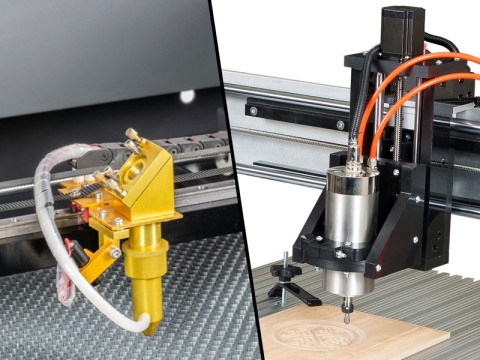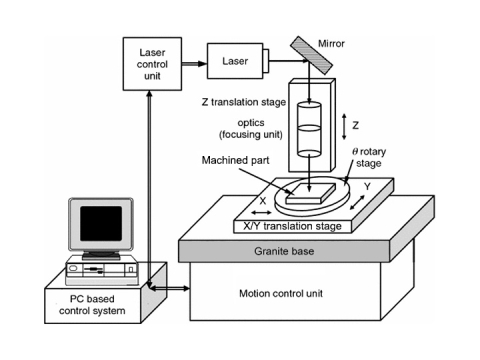
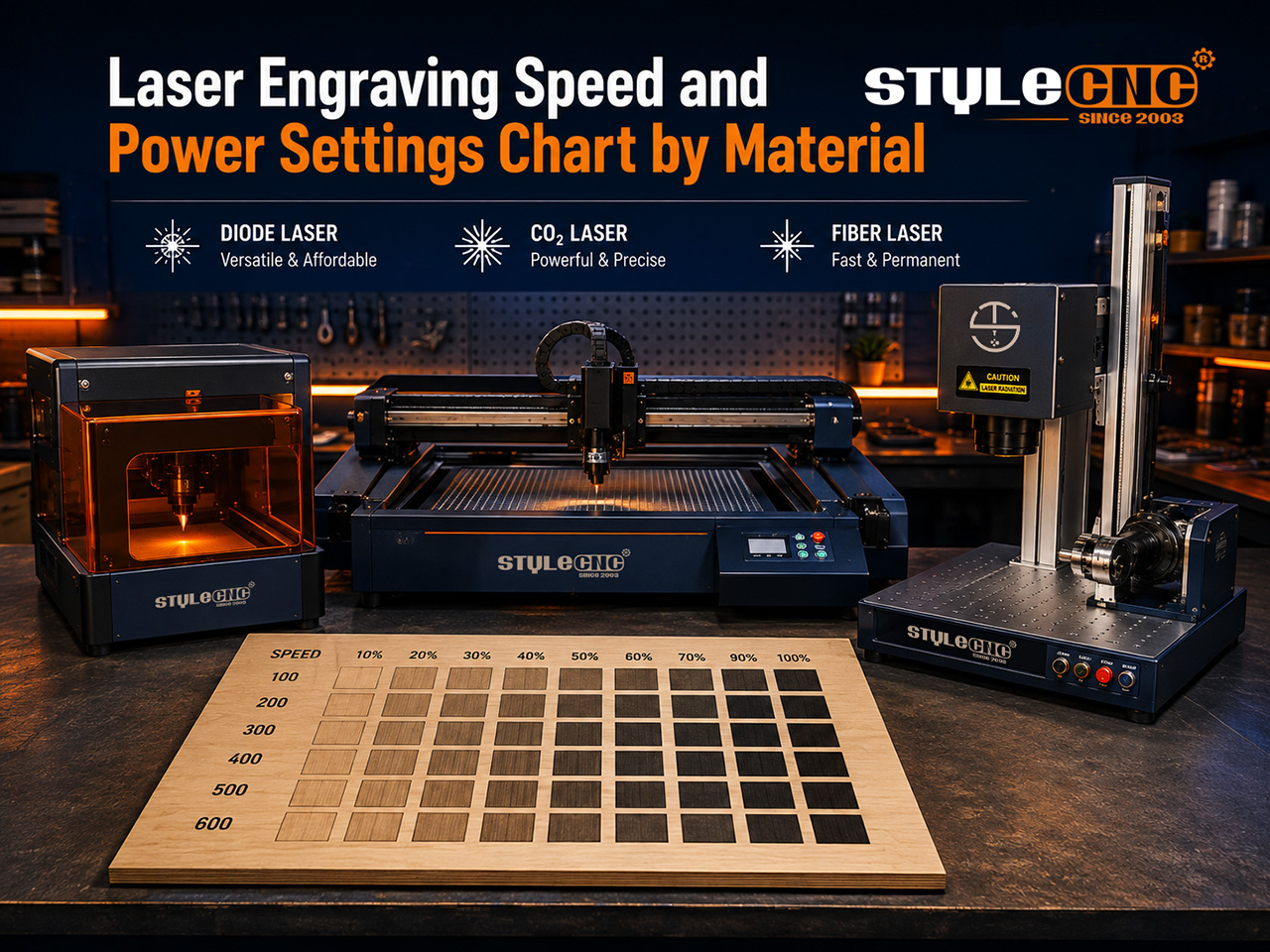
Один и тот же лист фанеры ведет себя тремя разными способами под воздействием диодного модуля. CO2 трубка и источник волокна. В этом руководстве приведены консервативные начальные значения для всех трех параметров, а затем показан повторяемый метод точной настройки любого нового материала.
Как скорость и мощность работают вместе
Каждый след сводится к энергии на единицу площади, которая равна мощности, деленной на скорость. Замедлите движение головы, и след станет темнее и глубже; ускорьте движение, и след станет светлее.
Единицы измерения — это первый фактор. Программное обеспечение для диодов обычно отображает мм/мин, в то время как большинство других программ отображают эти значения. CO2 А волоконно-оптические контроллеры используют миллиметры в секунду, поэтому скопированное значение может оказаться неверным в шестьдесят раз.
Мощность — это вторая ловушка. Рецепт, адаптированный для 10W модуль сгорит на 20W При одинаковых значениях мощности, перед тестированием уменьшите мощность примерно пропорционально. Ассортимент станков для лазерной гравировкиЭта одна привычка предотвращает большую часть потерь запасов.
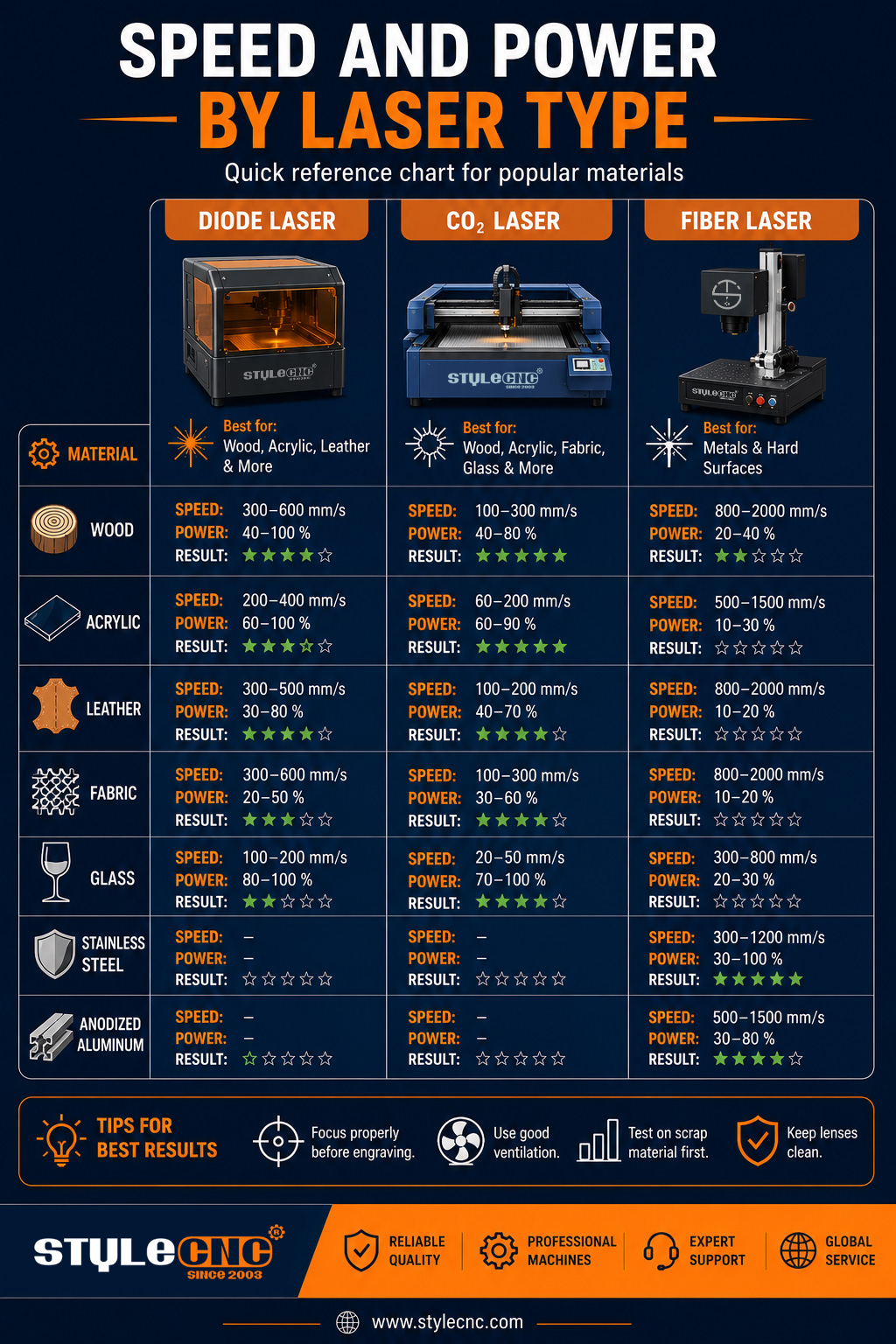
Таблица основных настроек: диод против CO2 против волокна
Приведенные ниже значения являются консервативными отправными точками для 3 распространенных конфигураций: а) 10W гравировальный станок для диодов 80W CO2 Машина лазерной резкиИ 50W гальво Лазерная маркировочная машинаПовышать регулировку следует только после получения положительного результата теста.
| Материалы и эксплуатация | Диодный лазер 10W | CO2 Лазер 80W | волоконный лазер 50W |
| Измерения | Скорость в мм/мин, мощность в процентах | Скорость в мм/с, мощность в процентах | Скорость в мм/с, мощность в процентах, частота в кГц |
| Гравюра на хвойной древесине | 5000-6000 по 45-60% | 350-450 при 12-18% | Неподходящий |
| Резка фанеры толщиной 3 мм | 250-350 по 95-100%2-3 паса | 18-25 при 55-65%, однократный проход | Неподходящий |
| Гравюра на твердой древесине | 3500-4500 при 60-75% | 300-400 при 18-24% | Неподходящий |
| Гравюра на литом акриле | 4500-5500 при 35-45%, только непрозрачные | 280-350 при 20-28% | Неподходящий |
| Резка литого акрила толщиной 5 мм | Не подходит для прозрачных листов. | 10-14 по 70-80%, однопроходный | Неподходящий |
| Гравюра на коже | 4000-5000 по 30-40% | 450-550 при 10-15% | Только для тестирования при низкой мощности. |
| Гравировка на стекле | Неподходящий | 350-450 по 15-20% | Неподходящий |
| Маркировка из анодированного алюминия | 2500-3500 при 70-85% | Требуется маркировочная паста. | 700-900 по 30-40%, 25-35 кГц |
| Темная маркировка из нержавеющей стали | Требуется маркировочная паста. | Требуется маркировочная паста. | 300-500 по 40-60%, 40-60 кГц |
| Глубокая гравировка на латуни | Неподходящий | Неподходящий | 250-350 по 85-100%20 кГц, повторные проходы |
Все значения предполагают чистую оптику, правильную фокусную высоту и подачу воздуха при каждой операции резки. Значения, помеченные как неподходящие, следует рассматривать как пределы длины волны, а не мощности.
Ключевые цифры, которые стоит запомнить
• Скорость подачи диодов обычно составляет от 1000 до 6000 мм/мин, что является самой низкой из 3 типов источников.
• Портал CO2 Средняя скорость гравировки на таких станках составляет от 300 до 600 мм/с.
• Головки Гальво машины для маркировки волоконным лазером скорость сканирования до 7000 мм/с.
• Снижение мощности гравировального инструмента на 10–15 процентов позволяет удалить большую часть обугливания краев без видимой потери контраста.
• Два легких прохода обычно обеспечивают более чистые края акрила, чем один медленный проход горячим воздухом.
• Согласно результатам отраслевых испытаний, проведенных изданием The Fabricator, сжатый воздух теперь не уступает азоту по качеству кромок при многих операциях резки волокна.
Как запустить тестовую сетку
Нарисуйте сетку 5 на 5 из квадратов размером 10 мм. Присвойте каждой строке скорость, а каждому столбцу — уровень мощности, охватывающий диапазон, указанный на вашей диаграмме.
Выгравируйте сетку на обрезках из той же партии, из которой будете производить изделия. Содержание клея, влажность и толщина покрытия влияют на результаты при сравнении разных листов, поэтому обрезки из той же партии — единственный достоверный образец.
Выберите наиболее чистый квадрат и запишите данные о станке, материале, высоте фокусировки и количестве проходов. Популярное программное обеспечение для управления включает в себя встроенный генератор тестов материалов, который автоматизирует всю сетку.
Все тесты следует проводить с использованием средств защиты глаз, соответствующих рекомендациям Американского института лазерных технологий (Laser Institute of America), и отводить дым через фильтр. Вытяжка для лазерных станковКраткий и полезный обзор опасностей, связанных с лазерами, подготовленный OSHA, предназначен для всех, кто обустраивает новое рабочее место.
Вопросы, которые операторы действительно задают
С какой скоростью 3-миллиметровая фанера перестает обугливаться по краям?
Сохраняйте скорость резки, уменьшите мощность на 10-15 процентов и добавьте второй проход, если резка начинается с опозданием. Наклеивание малярной ленты на рабочую поверхность и подача постоянного потока воздуха удаляют большую часть оставшегося пригорания.
Почему мой новый 20W модуль сжигания древесины в настройках моего старого 10W любил?
Удвоение оптической мощности при одинаковых значениях удваивает энергию на точку. В качестве первого приближения разделите значение мощности пополам, затем уточните его с помощью быстрой сетки.
При каких настройках нержавеющая сталь становится чёрной, а не серой?
Замедлите вращение головки, повысьте частоту до 40–60 кГц и слегка расфокусируйте луч, чтобы импульс нагревал, а не обрушивал на поверхность. разница между источниками MOPA и источниками с модуляцией добротности Объясняет, почему импульсный режим определяет оттенок.
Распространенные ошибки, которые портят настройки.
• Копирование значений между устройствами разной мощности без предварительного масштабирования мощности.
• Путаница между мм/с и мм/мин при переключении между контроллерами.
• Гравюра вне фокуса, что расширяет пятно и размывает мелкие детали.
• Использование одного медленного, горячего прохода там, где два более легких прохода обеспечили бы более чистый срез.
• Отказ от подачи воздуха и предоставление остаткам дыма возможности поглотить энергию луча в процессе работы.
• Проведение тестирования на одном листе, затем производство на другой партии.
• Установка мощности по умолчанию на 100 процентов сокращает срок службы лампы или диода.
• Если не учитывать необходимость чистки линз, грязная линза может поглощать значительную часть номинальной мощности.
Контрольный список настроек перед гравировкой
✓ Перед вводом значений убедитесь, в какой единице измерения скорости отображается ваш контроллер.
✓ Установите фокус с помощью прилагаемого индикатора или встроенной функции автоматической фокусировки.
✓ Регулируйте мощность в соответствии с фактической номинальной мощностью вашего устройства.
✓ Проведите тестирование на 25-квадратной тестовой сетке из отходов производственной партии.
✓ Включайте подачу воздуха перед каждой операцией резки.
✓ Еженедельно очищайте линзу и проверяйте выравнивание луча.
✓ Регистрируйте выигрышные значения по материалу, высоте фокусировки и количеству проходов.
Часто задаваемые вопросы
Почему мои результаты отличаются от всех найденных мною таблиц настроек?
Диаграммы настраиваются под конкретный станок, объектив и партию материала. Оптическая сила, высота фокусировки и даже содержание клея в фанере влияют на результат. Рассматривайте любое опубликованное значение как отправную точку, а затем проведите небольшое тестовое тестирование на собственном материале, прежде чем запускать производство.
6000 мм/мин — это то же самое, что 100 мм/с?
Да. Разделите мм/мин на 60, чтобы получить мм/с. Программное обеспечение для диодов обычно отображает мм/мин, в то время как большинство других программ отображают другие значения. CO2 Контроллеры оптоволоконных кабелей используют миллиметры в секунду, поэтому значение, скопированное без преобразования, будет в шестьдесят раз завышено или завышено по скорости. Всегда сначала уточняйте, какую единицу измерения ожидает ваш контроллер.
Почему один и тот же лист фанеры имеет разную текстуру при гравировке?
Фанера различается по типу клея, породе древесины и влажности, и каждый из этих факторов влияет на количество энергии, поглощаемой поверхностью. Листу, хранящемуся во влажном помещении, может потребоваться заметно больше энергии, чем сухому. Проверяйте обрезки из каждой новой партии и фиксируйте различия.
Может ли диодный лазер разрезать прозрачный акрил?
Нет. Длина волны синего диода проходит прямо сквозь прозрачный акрил, а не поглощается, поэтому лист почти не нагревается. Темный или непрозрачный литой акрил хорошо подходит для гравировки, но резка прозрачных листов относится к более сложным задачам. CO2 машины, у которых материал почти полностью поглощает более длинные волны.
Какую частоту следует использовать волоконный лазер для обработки нержавеющей стали?
Начните с частоты 40-60 кГц для получения темного, гладкого следа и около 20 кГц, если вам требуется агрессивное удаление материала. Более высокие частоты обеспечивают более мягкие импульсы, которые нагревают, а не обжигают поверхность, что именно необходимо для получения чистого черного покрытия на нержавеющей стали.
Несколько лёгких пасов лучше, чем один сильный пас?
Обычно да. Два или три легких прохода дают теплу время рассеяться, что означает более ровные края акрила и меньшее обугливание древесины. Один медленный, горячий проход концентрирует энергию, расширяет пропил и повышает риск вспышек пламени на смолистых материалах.
Насколько сильно фокусировка h8 влияет на результат?
Луч достигает своей номинальной интенсивности только в фокусной точке. Даже погрешность в 1-2 мм расширяет пятно, размывает детали и вынуждает компенсировать это увеличением мощности. Перефокусировка необходима для любой толщины материала, а также после любой замены линзы или сопла.
Нужна ли мне подача воздуха для гравировки или только для резки?
При резке воздушный поток всегда необходим, поскольку он удаляет расплавленные частицы и подавляет пламя. При гравировке низкий уровень давления воздуха также помогает, предотвращая попадание дыма на линзу и уменьшая образование пятен, хотя очень тонкая фотосъемка иногда проходит чище при уменьшении потока воздуха.
Почему моя гравировка так быстро выцветает?
Скорость распределяет энергию, которую луч передает на каждую точку. Удвоение скорости подачи примерно вдвое уменьшает интенсивность выгорания, поэтому следы становятся бледными и пятнистыми, как только скорость превышает мощность. В этом случае можно либо замедлить скорость, либо увеличить мощность, либо смириться с более светлым оттенком, если это соответствует конструкции.